
Studio
Julian Mercier grew up in real estate.
Origin
His family — French in origin, settled across two continents — built developments. He saw, from the inside, how the industry actually works. The speed, the compromises, the materials that lie about what they are. The veneer pretending to be hardwood. The cement render pretending to be stone.
The surname carries its own quiet declaration. Mercier — French for merchant — was the trade name his ancestors took when they built the first warehouses for shipping families along the Atlantic. The family has been in the business of building, and selling what is built, for a long time.
After architecture school and years inside major firms, Julian started his own practice — not as an outsider to development, but as an insider who knew exactly what he was rebelling against.
The studio is founder-led by design. Every project gets Julian's eye. Materials are sourced honestly, used honestly, and allowed to age honestly. There is no signature style. There is only a signature method: listen to the place, respect the material, take the time it takes.
Some buildings are commissioned by clients. Others are conceived, developed, and sold by the studio itself. The architect-developer model lets the practice take risks others can't, with a finished building as the proof.
The work is quiet. It is meant to be.
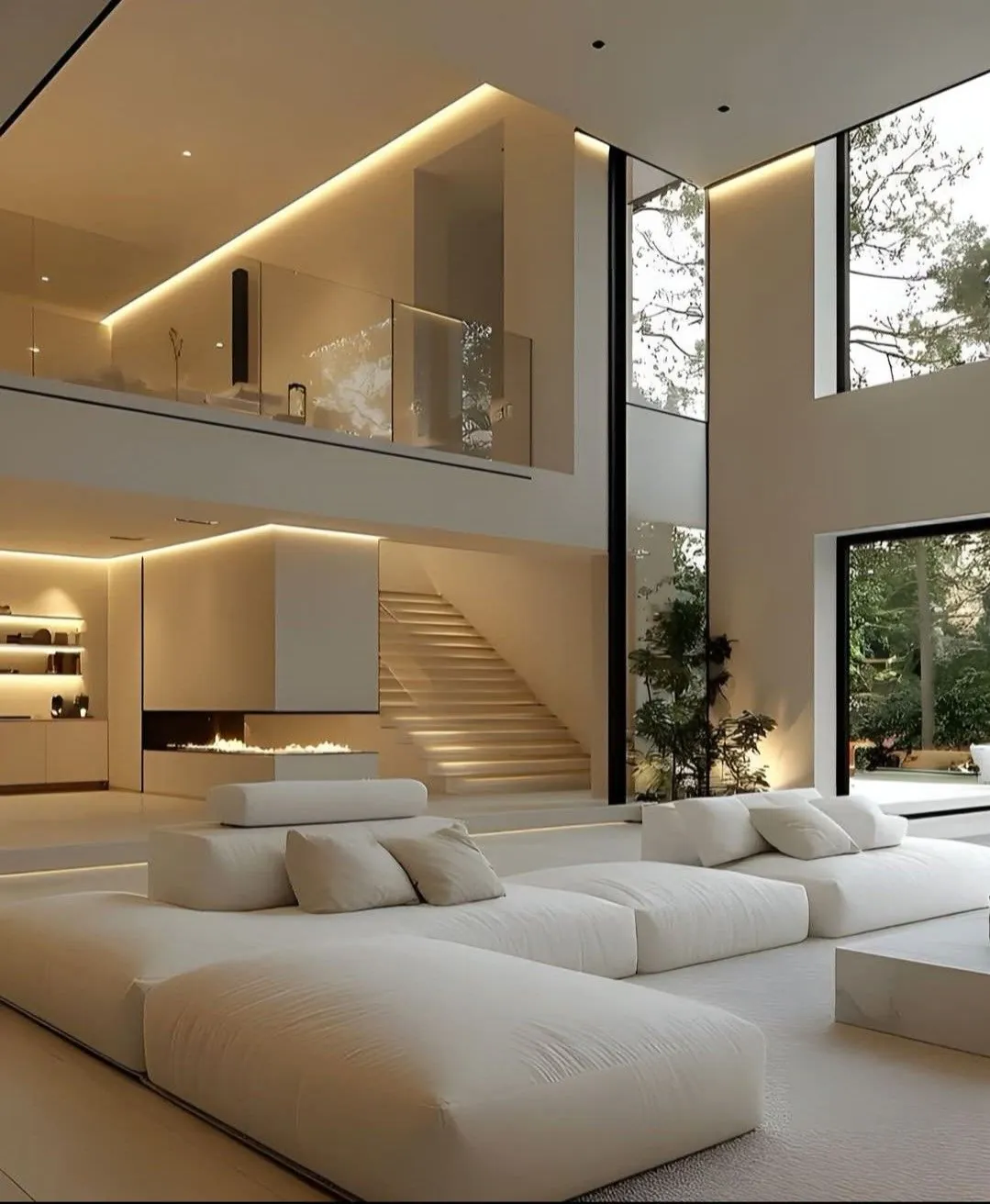 Image 11
The Lisbon studio · 2024
Locations
Lisbon
Bali
Section II
Method.
The studio takes on a small number of projects each year. Each begins with the site, not the brief — three days walking the land before the first sketch.
Materials are specified by source, not by category. The studio knows the quarry, the mill, the maker. When a substitute is offered to save cost or time, the answer is usually no.
The studio holds an equity position in approximately half of its projects. The architect-developer model is what makes this practice viable, and what makes the work honest.